News & Articles

Back in 1989, my spiritual journey took a big leap, outwards and inwards.

I traveled to India and Nepal, meeting many teachers and amazing people of different religions. While I was in Kashmir, I was living in the beautiful area of Pampore, where saffron grows. Biking to the big city of Srinagar, I saw in the English newspaper that His Holiness the Dalai Lama had been awarded the Nobel Peace Prize. Even though I knew very little of him, and got to see his photos and the reverence given to him by the monks in Ladakh, I was so happy, as if my mom or dad had won it.

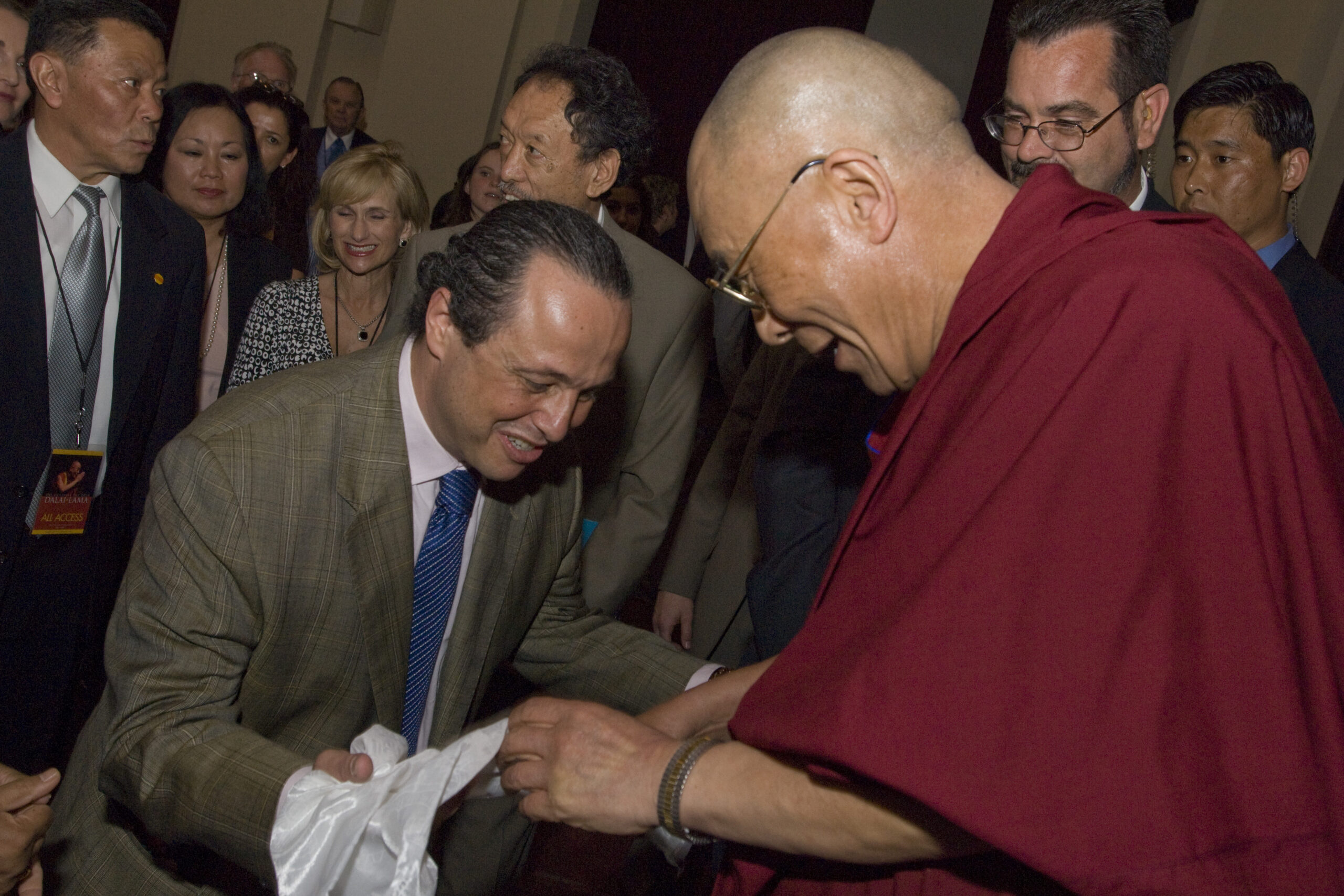
I said to myself that I needed to meet him in person, and so I went to Dharamsala, where he and thousands of Tibetans had settled after escaping Tibet in 1959.

My first meeting with His Holiness the Dalai Lama was extremely meaningful and changed my life forever. During my brief interaction with him, I was speechless, absorbing the moment, his energy, and his blessings. I then sat under a tree still within the compound; sitting in awe I felt  tears in my eyes and my heart open like a big smile. And to top it off, as the last person interacted with him, I heard him say, “A big heart is the best religion.”

This stayed in my heart, and in 1992, as I was one of the organizers of his visit to Argentina, we published a small book of his teachings, and of course called it Un Buen Corazón es la Mejor Religión (A Good Heart is the Best Religion).

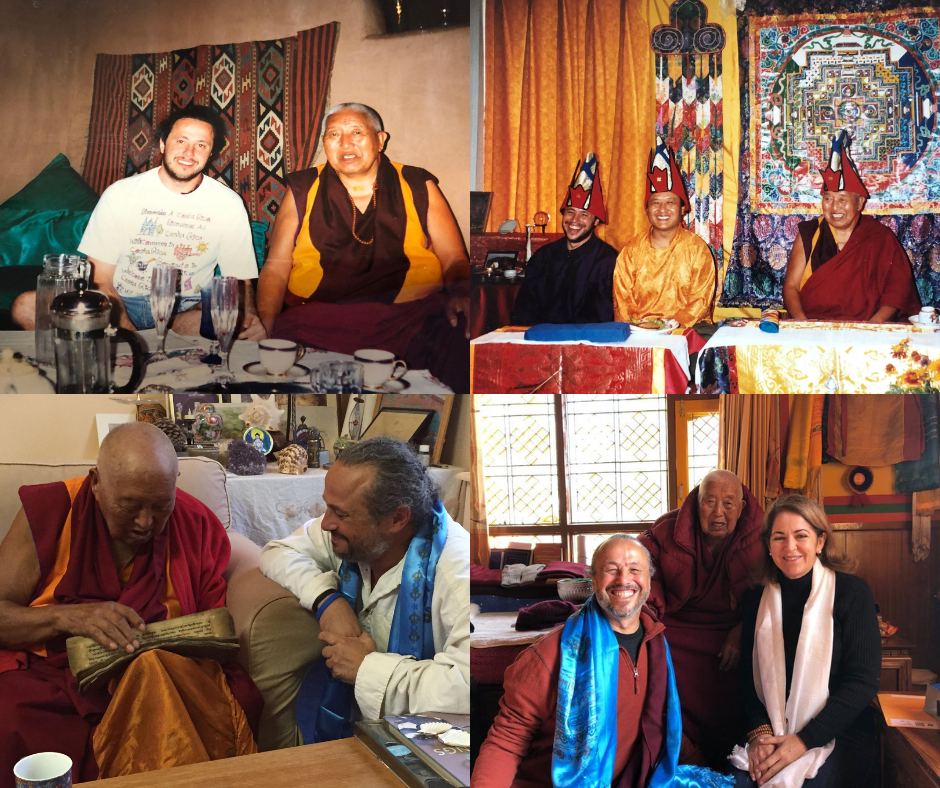
This was the beginning of what is now a 30+ year journey with Tibetan teachers and their teachings.

All I can say now is Thugjeche, the Tibetan for “thank you,” which literally means “a big trace in my heart.”

Warmly,

Alejandro

Jeff Fitlow fitlow.com

Dear Friends,

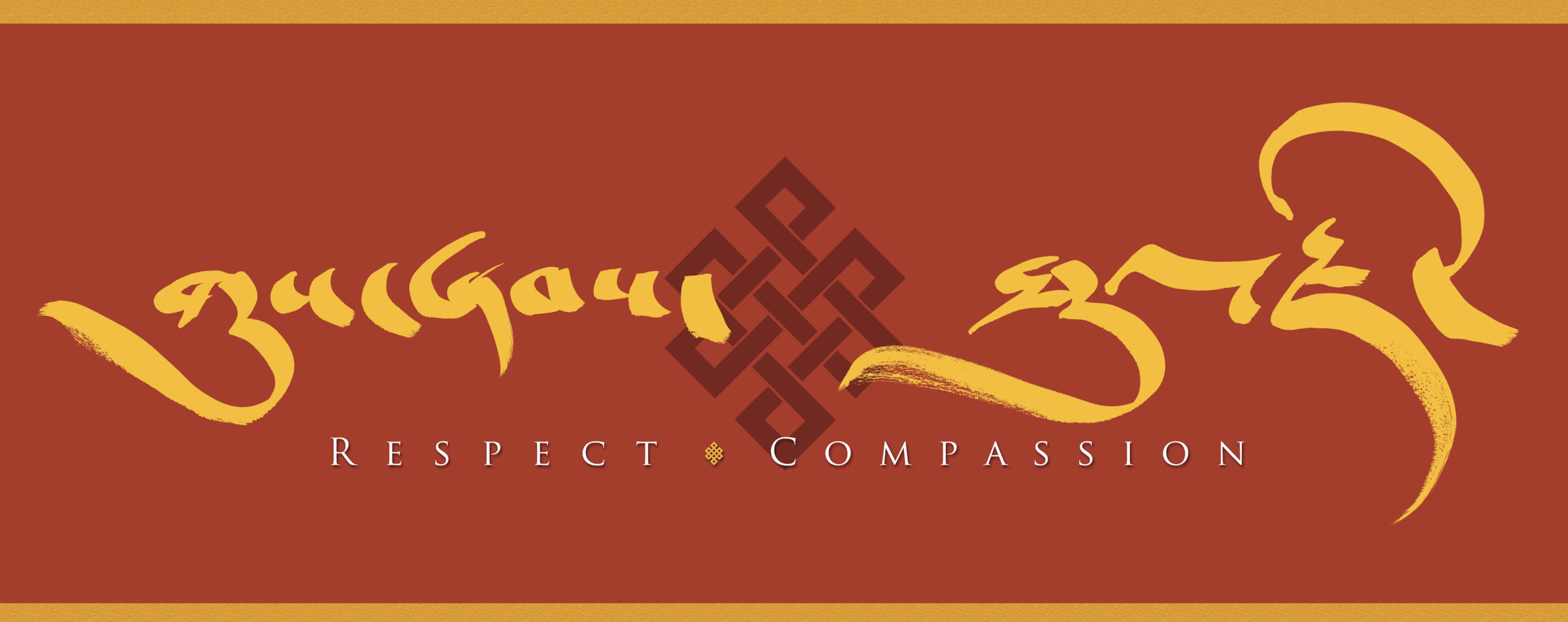
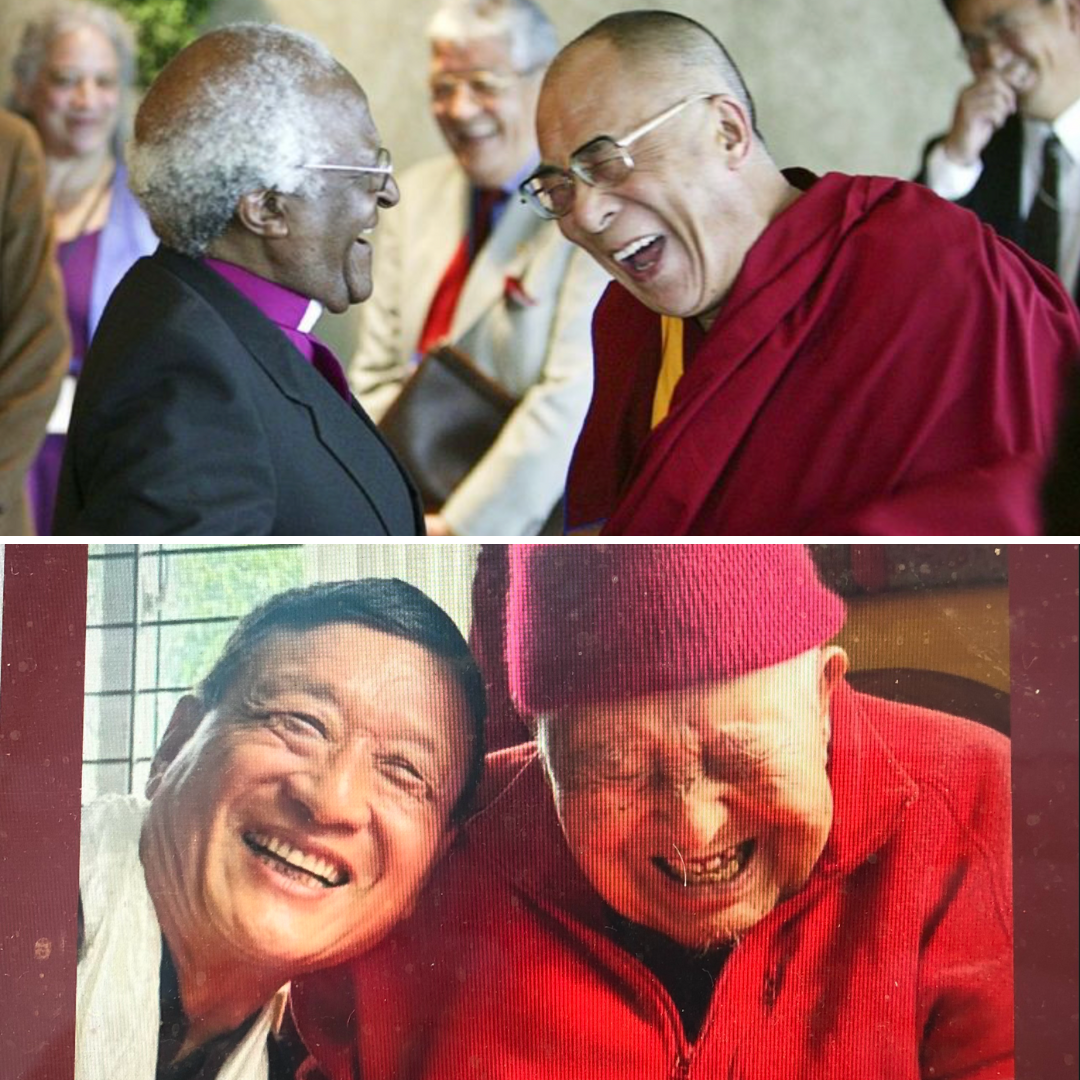
       A few weeks ago, in South Africa, I had the moving experience of visiting the Apartheid Museum and the home of Nelson Mandela. Throughout my visit, the words respect and compassion echoed deeply. One image especially struck me: a photograph of Rev. Desmond Tutu and His Holiness the Dalai Lama. It brought me back to a moment years ago when His Holiness spoke at Rice University in Houston, TX. My teacher, Tenzin Wangyal Rinpoche, created two beautiful calligraphies for that occasion, which were used to accompany His Holiness’ teachings.

Respect and compassion for oneself and for others. Respect for the powerful lineage that carries and teaches compassion. These reminders feel especially alive for me now as I continue to deepen into practice and teaching in the months ahead.

Most recently, I had the pleasure of teaching in Poland, where I also had the joy of receiving teachings directly from Tenzin Wangyal Rinpoche. Next week, I will be teaching on the Six Session Practice, a powerful cycle Rinpoche developed when he first began teaching in the United States,  that includes one of my favorite dzogchen practices called contemplative breathing. I will share these teachings at Shambhala Boulder as a preparation for Rinpoche’s upcoming teachings on Trekchö and Tögal.

Looking further ahead, in October, at Ligmincha International, Rinpoche will teach on phowa and preparing for death. I will be honored to moderate dialogues during this retreat with wonderful guest speakers, including Nikki Mirghafori, Dr. Leslie Blackhall, and Tibetan Doctor Tenzin Namdul. Then in November I will be in Europe and leading a fantastic trip to Morocco.

I warmly invite you to join us in these opportunities and to look for other upcoming events in my website alechaoul.com to deepen into practices that nurture respect and compassion for yourself, for others, and for the world.

Warmly,
Alejandro


Dear Friends,

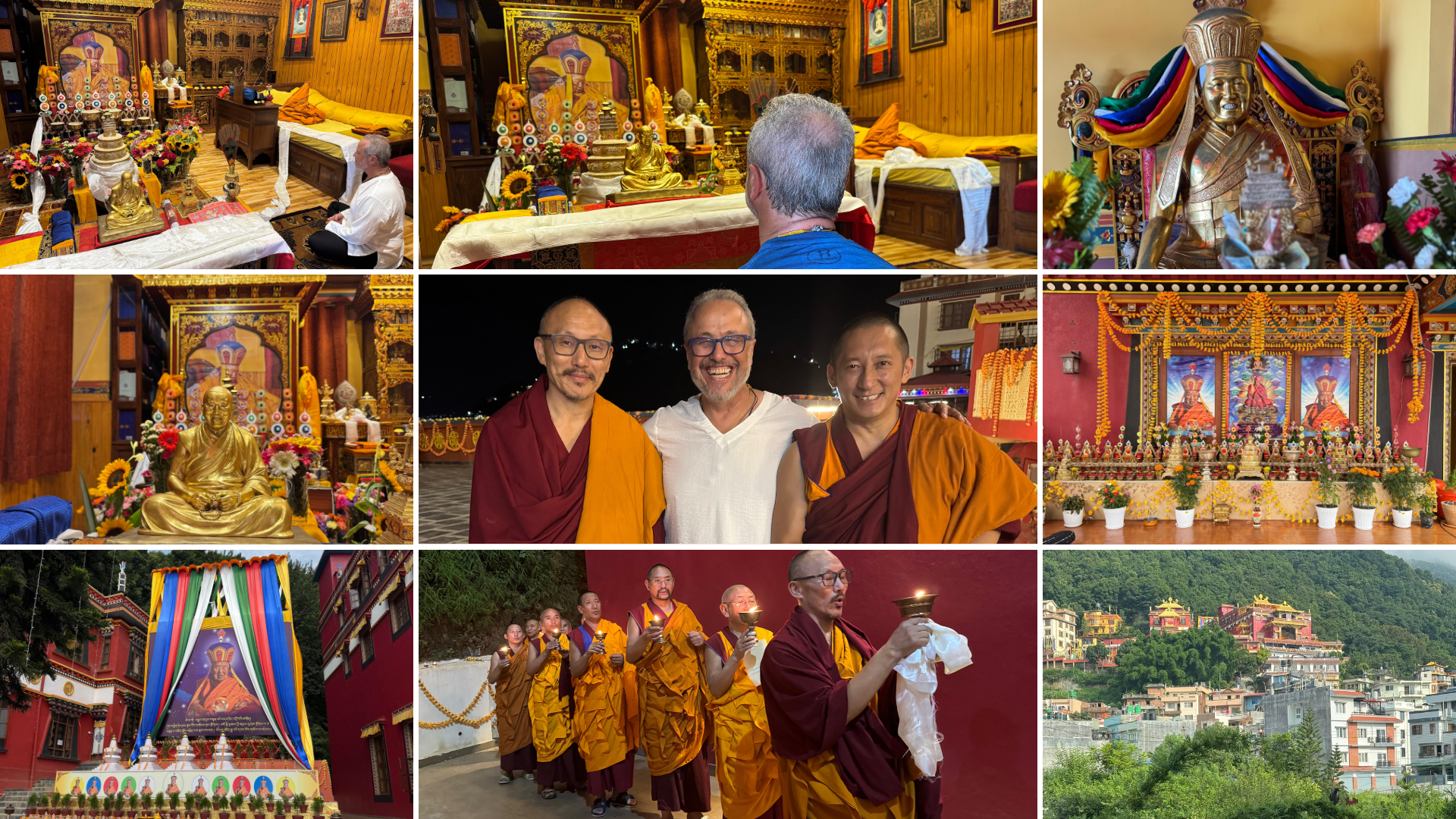
              It was such a heartwarming and profound experience to return to Kathmandu, this time to say goodbye to the body of my very dear one hundred-year-old Teacher, Lopon Tenzin Namdak, also known as Yongdzin Rinpoche, who had been my guide and inspiration for 34 years. He was an extraordinary Teacher and an incredible human being whose presence touched countless lives. The community of monks, practitioners, and friends gathered around him was a testament to the deep imprint he left on all of us.

What can I say about such a remarkable person? He taught us to rest in our natural state of mind, guiding us through complex teachings in a way that felt simple and natural. There are so many stories and memories from these decades together, some of which I have shared before. Yet what stays with me most is the sense that this was not a goodbye. As our dear Khenpo Tenpa Yungdrung said, it does not seem as if he has left. It feels as though his presence remains, stronger than ever, in the hearts of those he touched.

This trip was not something I had planned, but I am deeply grateful that I went, even for a short time. In the days before, I had been reading a special prayer from another teacher for being in front of the teacher’s body (kudung) after he had passed. I felt inspired to recite this prayer in the presence of Lopon’s kudung, and it became one of the most meaningful moments of my life. Also, sitting inside and outside of his room meditating, i remembered so many  moments of learning, practicing, sharing, and laughing.

I carry these blessings deeply in my heart and into my own practice, so that I may continue to share them with others. May his wisdom and compassion continue to guide us all.

Warmly,
Alejandro

         For Yongdzin Tenzin Namdak Rinpoche (aka, Lopon)’s 100th birthday, I wrote an article for his festschrift celebratory publication titled “A Truly Magical Encounter.” In it, I shared the story of meeting Lopon in 1991, visiting Triten Norbutse Monastery in Nepal a couple of years later at his invitation, and learning—almost by chance or coincidence—the Tibetan Yoga known as Trul khor, translated as “Magical Movements.”

This particular yoga comes from the special Dzogchen compendium, the Aural Transmission of Zhang Zhung, taught through a profound commentary by the great scholar and practitioner Shardza Tashi Gyaltsen, who attained rainbow body at his death.

This yogic practice has enlivened my life in countless ways from my daily practice, to my academic work, to my teaching and my work in hospitals. That is why I dedicated the translation of Shardza’s commentary, as well as my book Tibetan Yoga: Magical Movements of Body, Breath, and Mind, to our dear Lopon.

While staying at Triten Norbutse, I was able to practice with the yogic group and learn Trekchö—the meditation to cut through mental elaborations—directly from Lopon. Our morning and evening sessions, led by Khenpo Nyima Wangyal (aka Khenpo Tashi), combined prayers and Trekchö meditation, and whenever our minds strayed to dullness or agitation, we used Trul khor as a kind of reset. In fact, Lopon often said these magical movements should be employed when one’s meditation feels unclear, unstable, or weakened. You might think of it as a reboot that clears out any “bugs” in the system.

With Lopon and Tenzin Wangyal Rinpoche’s blessings and support, I began bringing these practices into health environments at the turn of the millennium—first through clinical research and integrative medicine at MD Anderson Cancer Center in Houston, then into the mental health field via the Jung Center’s Mind Body Spirit Institute, which I founded, and now through Tibetan Yoga Wellbeing. Throughout this journey, Lopon has always been my guiding star, with Rinpoche as the captain.

On June 12th, Lopon passed away and remained in meditation (Tukdam) for a week. At a time when much of the world was caught in wars and proclamations of peace, Lopon showed us what true peace actually looks like.

I remember celebrating his 95th birthday at Triten Norbutse with my wife Erika. In one of our precious private moments with Lopon, Erika asked him if he felt pain (as he was in a wheelchair) and how his meditation helped. He smiled and replied, “Do I feel the knee blessed by a Chinese bullet? Yes. Does it disturb my peace of mind? Absolutely not.”

Though he has left his body, as many have already shared, his presence is still pervasive and palpable—both around us and in our hearts. It continues to inspire us to carry forward his beautiful legacy. Those magical movements I first learned over 30 years ago at Triten Norbutse, deepened through practice at Menri Monastery with His Holiness Lungtok Tenpa Nyima and Ponlob Thinley Nyima, with Khenpo Tenpa Yungdrung at Tristan Norbutse, and with Tenzin Wangyal Rinpoche at Ligmincha, are what I continue to teach through Tibetan Yoga Wellbeing.

Join me at Esalen, Morocco, and let’s keep this magic alive and vibrant in our hearts, through body, breath, and mind.

Warmly,
Alejandro
And get a discount for the new course: https://wisdomexperience.org/tibetan-yoga-2/

Alejandro Chaoul, Mary Taylor, and Richard Freeman in lively conversation discussing Alejandro’s new book, “Tibetan Yoga, Magical Movements of Body Breath and Mind” as well as his longtime work with Sound Healing.

It can be a challenge to quiet the mind. Join Alejandro Chaoul for this grounding meditation designed to help you release distractions as they appear (without judgment), and experience deep stillness. Get better sleep, decrease stress, and relieve anxiety with over 200 ad-free meditations.

Listen to the podcast…

Most of us strive to live our best lives, but what does that really mean? What is it you want for your health? Why is it so difficult for us to strike a balance between our mind, body, spirit, and community? Often, when we try to feed one vital aspect of our well-being, the others are neglected. And if we try to address all at once, we become overwhelmed.

It’s understandable that we all struggle to maintain a well-balanced life, but there are things we can do to make it just a little easier. It may simply begin by looking within — to better understand what we want for our health and why our well-being is so deeply important. The next step is to explore the “what,” any obstacle in your way and then explore the potential “how,” some practices that can draw you in.

What is your great “Why?”

Ask yourself: why do I want to be healthy? Is it so you can keep up with your kids on the playground? Is it to begin a new adventure with your spouse? To travel more? To ensure a long, healthy life with your grandchildren? Take time to reflect and ponder about it, and you are very likely to discover it organically. Then place it at the center of everything you do. You will find that the motivation, inspiration, and dedication to improve your health and well-being will emerge more strongly.

Read more….

The Jung Center opens The Mind, Body, Spirit Institute

…Chaoul, along with Sean Fizpatrick, the executive director of the Jung Center, knew that the practices Chaoul was teaching at MD Anderson would also have a place in the community, both for individuals and other companies. The Jung Center already focuses on self-care programs with topics such as psychology and life, so the institute would be a good fit.

“It is exciting for us to be able to share the news of The Mind, Body, Spirit Institute,” Fitzpatrick said in a press release. “We want people to understand they have real options for reducing stress in their lives, and that while the world may be pushing us to keep moving faster and faster, there are solutions which can help them refocus their lives and truly flourish.”…

MasterWord Services, a leading provider of language support solutions, is proud to sponsor “Vicarious Trauma: Healing from Within,” their third annual Wellness Connection Workshop for interpreters and anyone who experiences vicarious trauma in the course of their work.

This is a special presentation by Dr. Alejandro Chaoul, Associate Professor and Director of Education at the University of Texas MD Anderson’s Friends of Integrated Medicine Program as well as a regular presenter at the Rothko Chapel, and David Leslie, Executive Director of the Rothko Chapel.

This presentation introduces participants to techniques, tools and resources—including the healing space of the Rothko Chapel—to create balance within, help you adhere to professional standards or ethical requirements, and minimize or mitigate the effects of vicarious trauma.