Dear Friends,
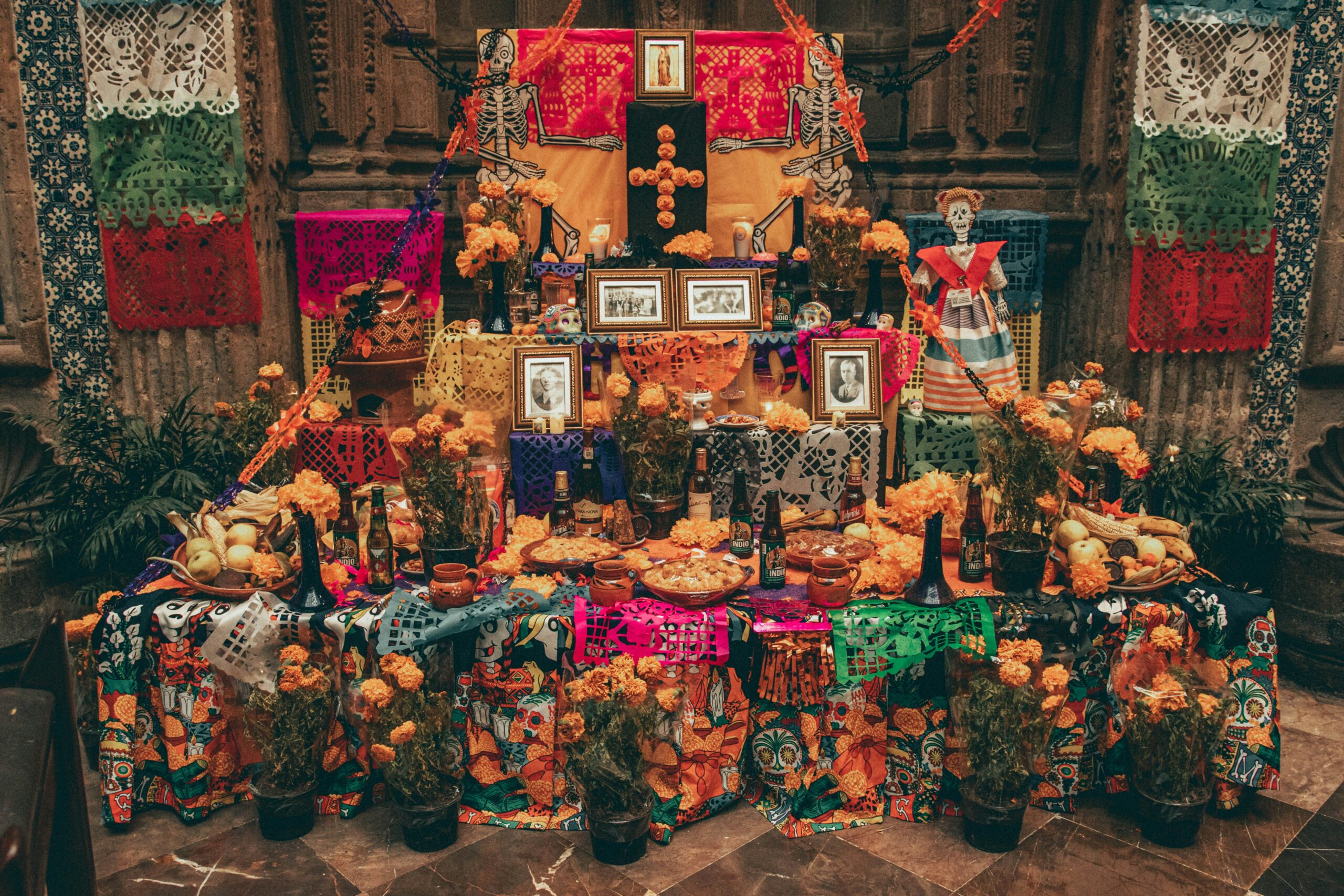
As we enter a time when many cultures remember their ancestors and celebrate the Day of the Dead, I’ve been reflecting on how powerful it is to pause and contemplate on impermanence. These celebrations are not only about those who left before us, but also a reminder that one day we too will be that skeleton, hopefully dancing, and that how we live now matters deeply.
A couple of weeks ago, at Ligmincha International’s Fall Retreat at Serenity Ridge, guided by my teacher Tenzin Wangyal Rinpoche, we explored the theme Being Present at the Moment of Death. It was a deeply moving retreat. We were joined by four wonderful speakers: Dr. Leslie Blackhall, Father Francis Tiso, Nikki Mirghafori, PhD, and Tibetan doctor Tenzin Namdul. Our great teacher Lopon Yongdzin Tenzin Namdak Rinpoche had just passed away at 100 years old and remained in tukdam—a meditative state after death—for eight days. This felt like a gift to all of us. Rinpoche reminded us that Lopon’s passing was the best example of dying, and of having lived a wonderful meaningful life. Rinpoche also taught us a simple phowa practice to practice now and be ready to do at the time of death.
I had the honor of moderating the dialogues. Nikki reminded us, the main cause of death is being born. In the Buddhist traditions we speak about the four sufferings: birth, old age, sickness, and death. Growing up in Argentina in the 1970s during the military regime, with bombs going off near our home and people suddenly ‘disappearing’, I learned very early that life is uncertain. I used to wake up in the middle of the night sweating, thinking, “I am going to die, and then what?”—what I later called my ‘existential attacks.’
Somehow Siddhartha by Herman Hesse came into my hands when I was still very young. I read it many times, and I still have that copy in Spanish. It opened the door to meditation. A few years later, my best friend’s uncle taught me Transcendental Meditation, which helped those existential attacks soften. When I later met Tibetan Buddhism, impermanence was at the center of the teachings. At first, it brought back some anxiety, but slowly, by familiarizing myself with it, it brought more meaning. When I started teaching at MD Anderson Cancer Center, I was not sure if I should speak so directly about impermanence, but many patients actually appreciated not avoiding it and instead approaching it in a compassionate, practical way. One of my teachers, HH Lungtok Tenpa Nyima, told me that it was also important for myself, as by teaching on impermanence it was a good reminder of my own impermanence too.
As I was going to the retreat, a friend asked me, “Why would you want to be present at the moment of death?” What we received in this recent retreat was very profound. Clear teachings from Rinpoche, rich perspectives from the presenters, and the engagement of the participants created a space where we could look at death in a way that can impact how to live more meaningfully. With Rinpoche’s guidance, it showed us how we can care for this body and mind in a way that allows us to face change, loss, and even death with more openness.
So, what is your relationship to death? I would like to leave you with an exercise that I used to teach in my course for medical students on Death and Spirituality in Medicine: I invite you to write your own obituary. Reflect on what you would like to be remembered for, the many identities you lived as, and something spiritual about how you live and how you would like to leave. It is a profound exercise that often brings surprising clarity and gratitude.
Many of the practices I learnt from my teachers are precisely for this: to live fully, meaningfully, and with awareness. If you want to explore some of the teachings I share, I invite you to join my free online meditations in English and Spanish, my in-person and online retreats, as well as my courses and books. You can also reach out for some one-on-one consultation.
You can write to info@alechaoul.com or directly to alechaoul@gmail.com, or connect with me on Facebook, Instagram, or LinkedIn.